In the competitive automotive industry, the demand for quality components is ever-increasing. One critical part is the Wheel Hub Bearing Assembly. This component ensures smooth wheel rotation and supports vehicle weight. Choosing the right supplier in China can significantly impact performance and safety.
China has numerous suppliers specializing in Wheel Hub Bearing Assembly. Some are well-established and provide high-quality products. However, not all suppliers meet rigorous standards. Variability in quality can lead to serious issues, such as premature wear or failure. It's essential to research and evaluate suppliers thoroughly.
This article explores the top 10 Wheel Hub Bearing Assembly suppliers in China. Each supplier is assessed based on experience, product reliability, and customer feedback. The goal is to guide manufacturers in making informed decisions. A reliable partner ensures vehicle longevity and customer satisfaction. The journey to find the right supplier may have challenges, but it's crucial for industry success.
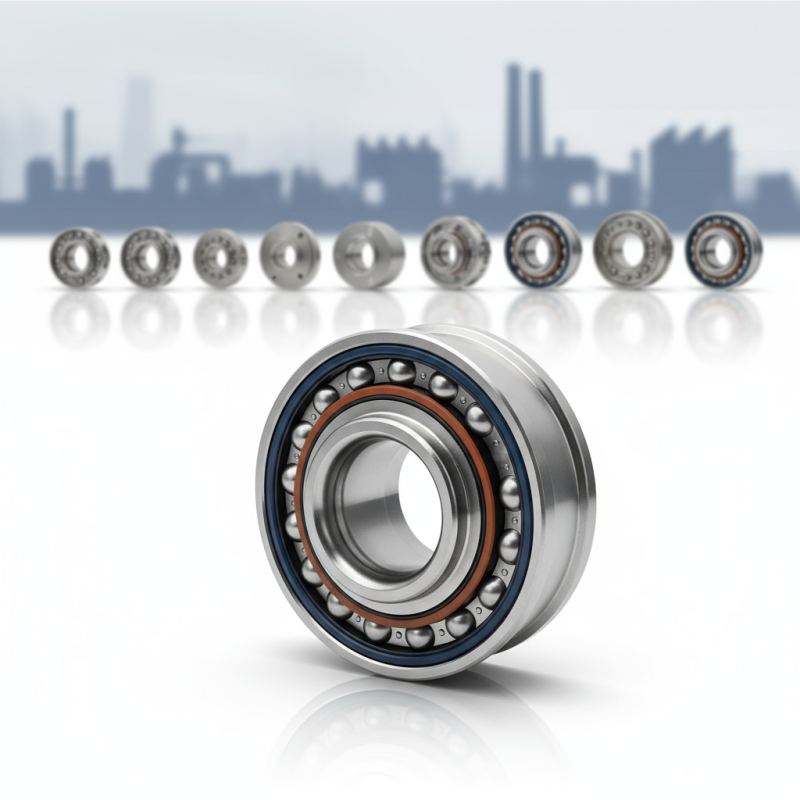
The wheel hub bearing assembly market in China is evolving rapidly. According to recent studies, the market is expected to grow at a CAGR of 7.1% from 2021 to 2026. This growth is fueled by increasing vehicle production and demand for automotive components. The automotive sector in China is robust, supporting the demand for high-quality wheel hub bearings.
China is a key player globally, producing a large volume of wheel hub bearings. In 2022, the production volume reached around 300 million units. However, quality control remains a challenge. Many suppliers face scrutiny regarding the durability and performance of their products. The fluctuating quality has led to concerns among manufacturers and consumers alike.
Recent surveys highlight that 60% of automotive manufacturers prioritize supplier reliability over price. This shift underscores the importance of experience and expertise in supplier selection. Reliable suppliers can significantly impact vehicle safety and performance. Ultimately, this market faces both opportunities and challenges, pointing to a need for continuous improvement in manufacturing standards and quality assurance.
When selecting a wheel hub bearing assembly supplier in China, several key criteria should be considered. First, evaluate the supplier's experience in the industry. A company with years of expertise likely understands market demands and quality standards. Researching their history can reveal their ability to adapt to changing technologies and customer needs.
Quality control is another crucial aspect. Suppliers should have established processes in place to ensure consistent product performance. Some suppliers may lack rigorous testing protocols. Carefully examine their certifications and quality assurance measures. This helps avoid potential issues down the line.
Lastly, consider the supplier's responsiveness and customer service. Timely communication can indicate reliability. A lack of transparency may raise red flags. Choose a supplier that values customer relationships. This will foster a collaborative approach to problem-solving and ensure smoother transactions.
In the competitive landscape of wheel hub bearing assembly in China, several suppliers stand out. Market share analysis reveals a concentrated field of leading brands. These companies dominate in terms of production capacity and technological innovation. Their products are known for quality, reliability, and performance, appealing significantly to various industries.
Emerging companies also contribute to the market dynamics. Some new entrants are focused on cost-efficient production methods. Others innovate with advanced materials and designs. This diversity provides consumers with multiple choices, but it also complicates decision-making. Potential buyers must carefully evaluate quality versus price when selecting suppliers.
Understanding these market dynamics is crucial. Consumer preferences shift, and suppliers adapt to remain relevant. However, some established players face challenges in maintaining their market share amid rising competition. Continuous improvement and customer engagement become vital. Operational efficiency and product quality will define future success in this sector.
Technological innovations in wheel hub bearing assembly production are transforming the industry. Advanced materials are being used to enhance durability and reduce weight. Manufacturers are exploring the applications of composites and lightweight metals. This shift not only improves performance but also increases fuel efficiency. Automation in the assembly process is another crucial development. Robotics are taking on repetitive tasks, increasing precision and reducing human error.
However, not all innovations have been seamless. Some manufacturers struggle with integrating new technologies while maintaining quality. The initial costs of advanced machinery can be daunting or even prohibitive. Failure to adapt can lead to production delays, affecting supply chains. As the market continues to evolve, companies must find a balance between innovation and operational efficiency.
The rise of smart technologies is also noteworthy. Sensor integration in wheel hub assemblies allows for real-time monitoring. This leads to predictive maintenance, reducing downtime and extending product life. Yet, the reliability of these technologies is still under scrutiny. Continuous testing and updating of smart systems are essential for long-term success. The journey toward advanced manufacturing is filled with challenges that require careful navigation.
In recent years, the wheel hub bearing industry in China has faced significant transformations. Growing demand from the automotive sector is a key trend. More vehicles on the road means more wear and tear on parts like wheel hub bearings. This increase stresses manufacturers to innovate continually.
Sustainability is another driving factor. Many suppliers are keen to adopt eco-friendly practices. This trend aligns with global expectations for greener production methods. However, achieving these standards can be challenging and requires substantial investment. Not all companies can keep pace with these changing requirements.
Technological advancements play a crucial role too. Automation in manufacturing helps improve efficiency. Yet, there are concerns about the skills gap in the workforce. Many employees need more training on new technologies. This gap could hinder progress. Companies must address this issue to remain competitive. The landscape is evolving, and not every player may thrive in this environment.
: The market is expected to grow at a CAGR of 7.1% from 2021 to 2026.
Increasing vehicle production and demand for automotive components drive the need for wheel hub bearings.
The production volume reached around 300 million units in 2022.
Many suppliers struggle with durability and performance, leading to fluctuating product quality.
About 60% of manufacturers prioritize supplier reliability over price.
Experienced suppliers understand market demands and quality standards better than newcomers.
Established quality control processes ensure consistent product performance and reduce future issues.
Timely communication indicates reliability and fosters better customer relationships.
A lack of transparency may raise concerns about the supplier's reliability and integrity.
To ensure product performance and avoid potential problems that could impact vehicle safety.
The Wheel Hub Bearing Assembly market in China has experienced significant growth, driven by increased demand in the automotive sector. This overview highlights the criteria for selecting top manufacturers, emphasizing their reliability, quality, and technological advancements. Leading brands have captured substantial market share, reflecting their competitive edge in innovation and production capabilities.
Technological innovations are reshaping the production landscape, offering enhanced performance and durability in Wheel Hub Bearing Assemblies. Furthermore, key trends, including the shift towards electric vehicles and sustainability, are influencing the industry's future directions. As Chinese manufacturers continue to evolve, they are poised to meet the growing demands of both domestic and international markets.

Jito Bearing